
| This is a summary of the complete article |
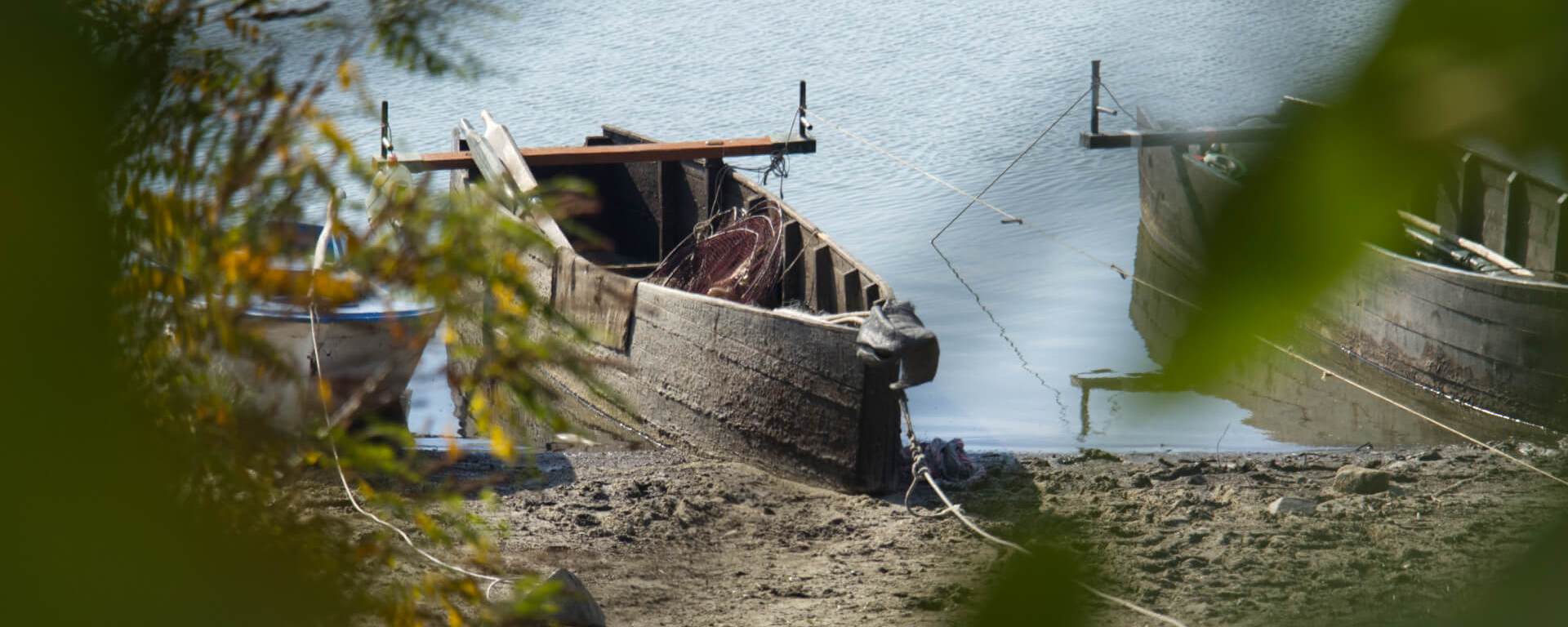
The word «plava» comes from the Bulgarian infinitive plavati (to sail, to swim). The history of plava begins with the settlement of Chalastra, a small city located in the Delta of the Axios River, very close to Thessaloniki. However, its origin comes from Ancient Greece. It was very important for the people who lived next to lakes and rivers.
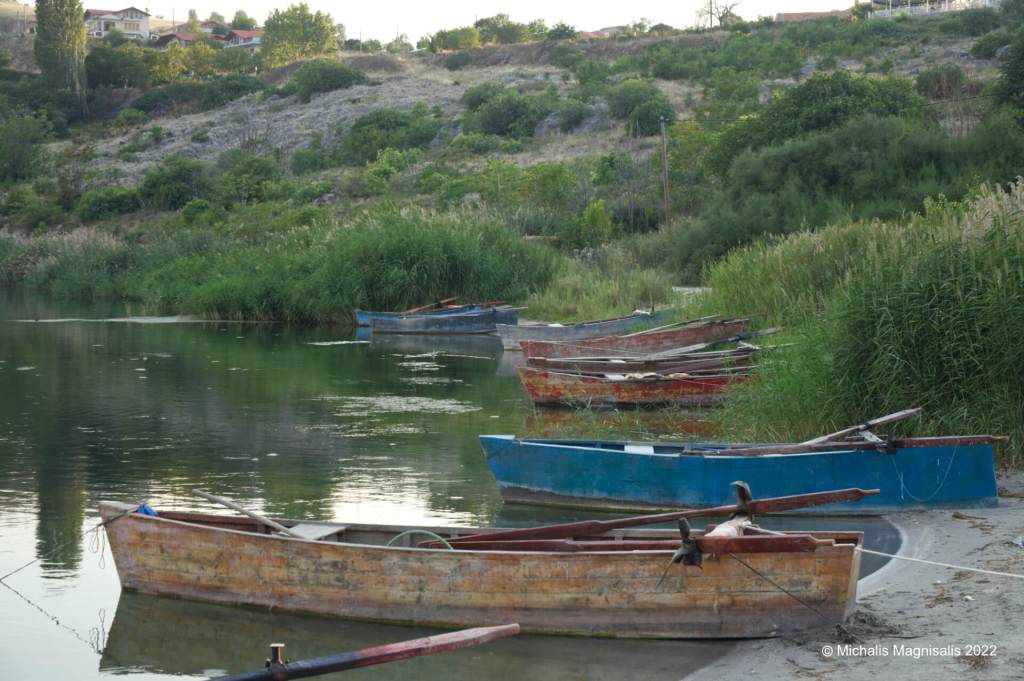
The plava of Macedonia is an evolution of the ancient monohulls. The inhabitants of the wetlands did almost everything with the plava. Fishing, transportation, moving with their families and in their leisure time they used them for their romantic boating trips.

The plava had a great impact on people’s everyday lives, finally evolved into a cultural element that has inspired many writers and poets, as well as painters.
«Όσο φαρδύ τορνεύει μάστορης που κατέχει την τέχνη του άριστα τον πάτο καραβιού για φόρτωμα τόσο φαρδιά κι ο Οδυσσέας την έφτιαξε την πλάβα, στεριώνοντας τα ίκρια με πολλά στραβόξυλα ώσπου απλώνοντας μακριές σανίδες τέλειωσε την κουβέρτα».
Homer’s Odyssey, Rapsody ε, lines 233-253, Translation from ancient to modern greek: D. Ν. Maronitis
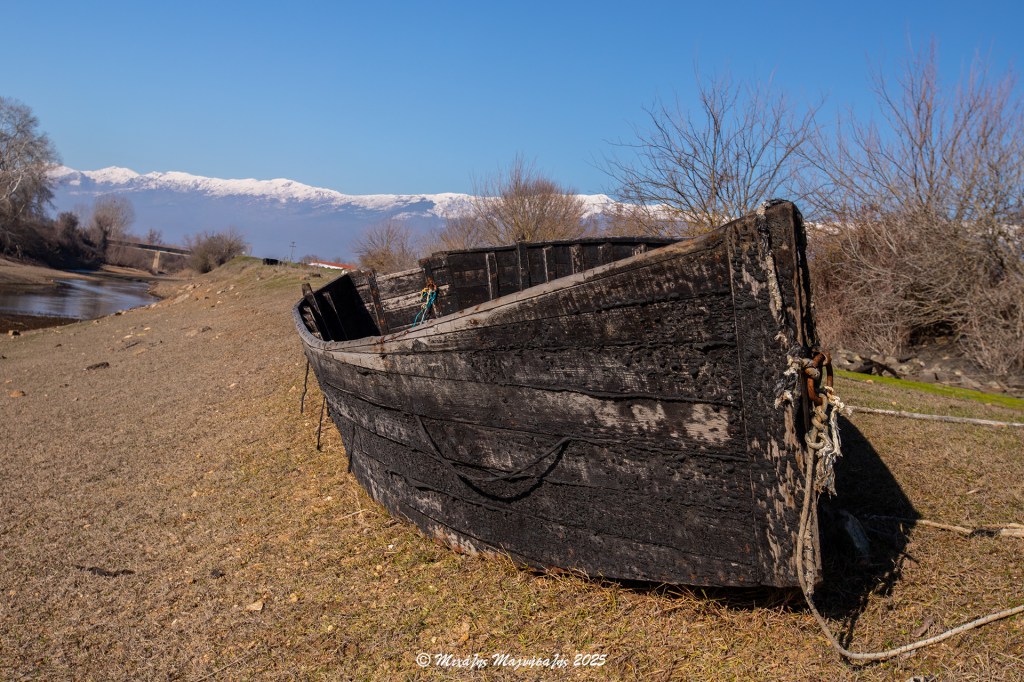
Apart from being a means work and of transportation, the plava has also functioned as a defensive mechanism. During the Balkan Wars of 1912-1913, the residents of Chalastra tied plavas together in the bend of the Axios River. They thus created a large floating bridge through which the Greek army passed, to catch up with the Bulgarian troops and liberate Thessaloniki.
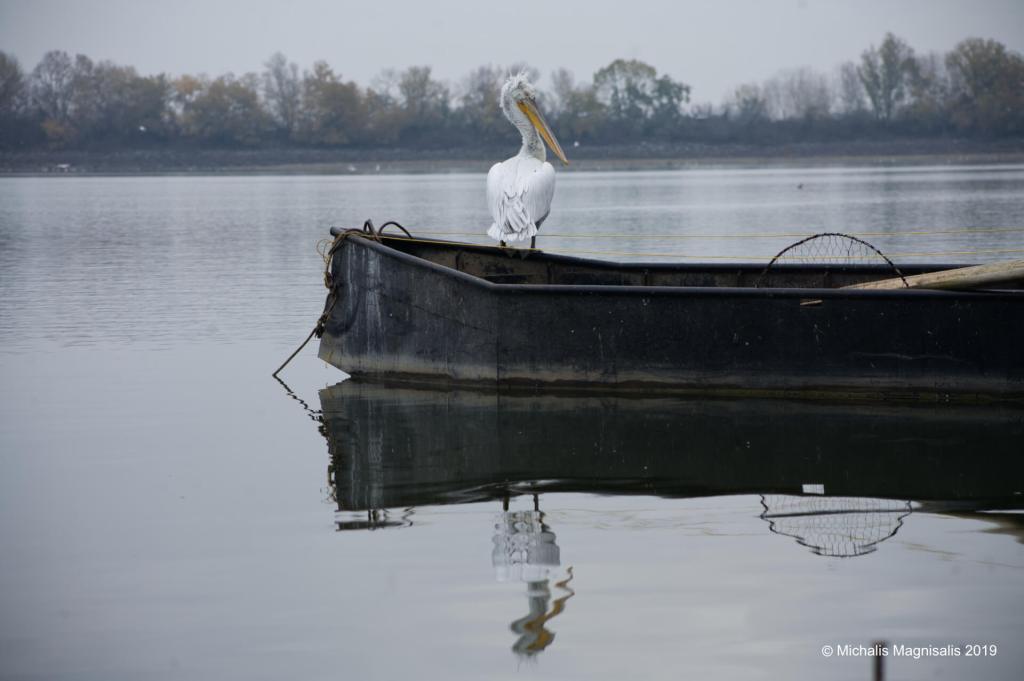
The tradition says that one Sunday after Easter, Axios River had flooded and its water engulfed the houses. Then the people went to the church on their plavas through the «river roads» that had been created.

The information for this article was drawn from the published study, by Mr. Leonidas Plataniotis, historian and archaeologist.

The reproduction, publication, modification, or exploitation of the photographs, videos, texts, drawings and logos included on this website for any personal or commercial use without prior written permission is strictly prohibited under Law 2121/93 (as amended to date), Law 4481/2017 on online copyright infringement of Intellectual Property and Related Rights (IPPR), Law 4708/2020 on strengthening the protection of intellectual property rights on the internet and international conventions on the protection of intellectual property rights.

 Michalis Magnisalis Training Media
Πρέπει να έχετε συνδεθεί για να σχολιάσετε.